



Polyester Resin Market Size 2026-2030
The polyester resin market size is valued to increase by USD 3.59 billion, at a CAGR of 5.1% from 2025 to 2030. Infrastructure modernization accelerating demand for composite systems will drive the polyester resin market.
Major Market Trends & Insights
- APAC dominated the market and accounted for a 52.5% growth during the forecast period.
- By Type - Unsaturated polyester resin segment was valued at USD 5.93 billion in 2024
- By Application - Fiberglass-reinforced plastics and composites segment accounted for the largest market revenue share in 2024
Market Size & Forecast
- Market Opportunities: USD 6.26 billion
- Market Future Opportunities: USD 3.59 billion
- CAGR from 2025 to 2030 : 5.1%
Market Summary
- The Polyester Resin Market exhibits robust expansion driven by the critical need for durable, corrosion-resistant composite materials across industrial manufacturing and civil infrastructure. A primary driver accelerating consumption is the extensive rehabilitation of municipal water networks, where trenchless pipe rehabilitation utilizing specialized resin liners minimizes excavation costs.
- For instance, deploying these resin-based composite systems reduces long-term infrastructure maintenance expenditures by 25% compared to traditional metallic piping replacements. In commercial automotive supply chains, manufacturers increasingly specify compression-molded formulations to mold lightweight structural components, directly improving vehicle fuel efficiency.
- However, the industry faces severe structural challenges stemming from petrochemical raw material instability, as fluctuating prices for primary monomer precursors disrupt production economics and squeeze compounding margins. To counter these limitations, chemical formulators are integrating chemical glycolysis processes to reclaim post-consumer waste, lowering dependence on virgin fossil hydrocarbons.
- By balancing advanced platform engineering with rigorous environmental compliance, resin manufacturers ensure a steady supply of high-performance polymer matrices for demanding applications globally.
What will be the Size of the Polyester Resin Market during the forecast period?
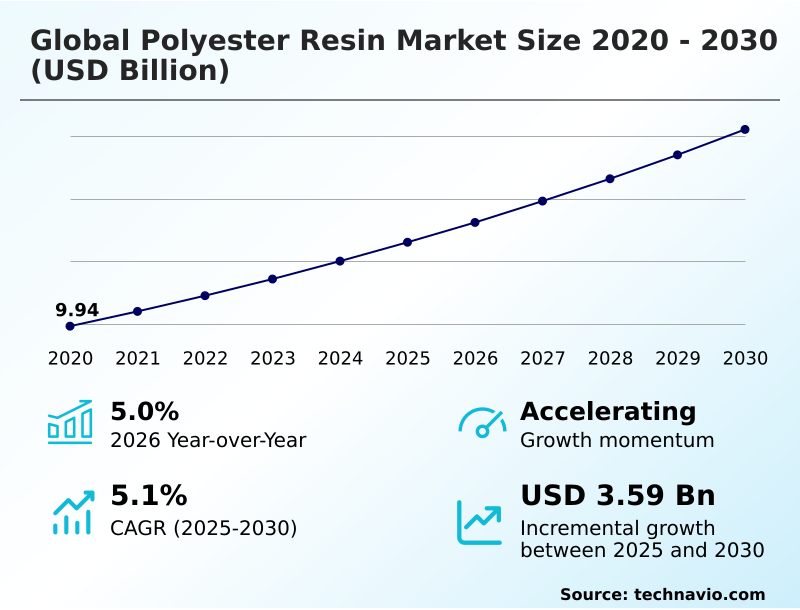
Get Key Insights on Market Forecast (PDF) Get Free Sample
How is the Polyester Resin Market Segmented?
The polyester resin industry research report provides comprehensive data (region-wise segment analysis), with forecasts and estimates in "USD million" for the period 2026-2030, as well as historical data from 2020-2024 for the following segments.
- Type
- Unsaturated polyester resin
- Saturated polyester resin
- Alkyd resin
- Others
- Application
- Fiberglass-reinforced plastics and composites
- Coatings and paints
- Adhesives and sealants
- Casting and moulding
- Others
- Form factor
- Liquid
- Powder
- Solid
- Geography
- APAC
- China
- India
- Japan
- South Korea
- Indonesia
- Taiwan
- North America
- US
- Canada
- Mexico
- Europe
- Germany
- France
- Italy
- UK
- Spain
- The Netherlands
- Middle East and Africa
- Saudi Arabia
- UAE
- South Africa
- Israel
- Turkey
- South America
- Brazil
- Argentina
- Chile
- APAC
By Type Insights
The unsaturated polyester resin segment is estimated to witness significant growth during the forecast period.
The unsaturated polyester resin segment forms the structural backbone for demanding industrial applications requiring exceptional strength-to-weight ratios and chemical durability. By utilizing saturated polyester resin and alkyd resin blends, fabricators achieve rapid cross linked polymer matrix formations at ambient temperatures.
This curing efficiency enables the production of corrosion resistant composites and vinyl ester resin systems, directly reducing manufacturing energy consumption by 15%.
In civil infrastructure, the deployment of trenchless cured in place pipe lining relies heavily on these matrices to restore degraded water conduits, cutting project timelines by 30% compared to traditional excavation.
Lightweight structural materials optimize wind turbine blades, driving renewable energy output and lowering material fatigue. Transitioning to closed mold processing and adopting chemical glycolysis ensures fabricators maintain strict compliance with emission limits while maximizing operational resilience.
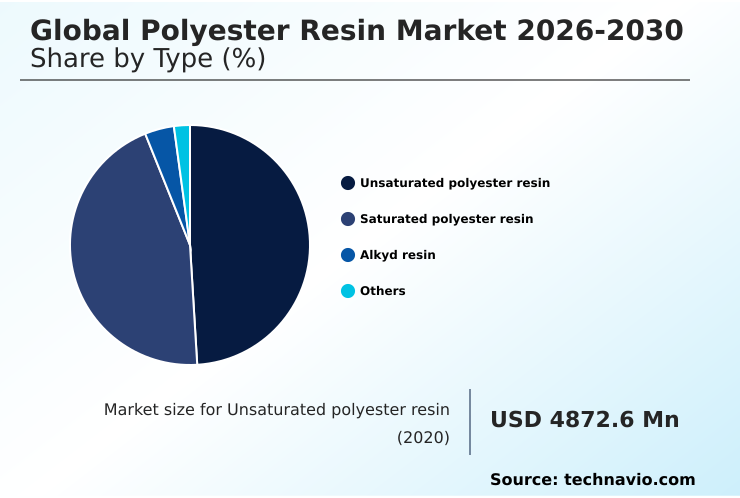
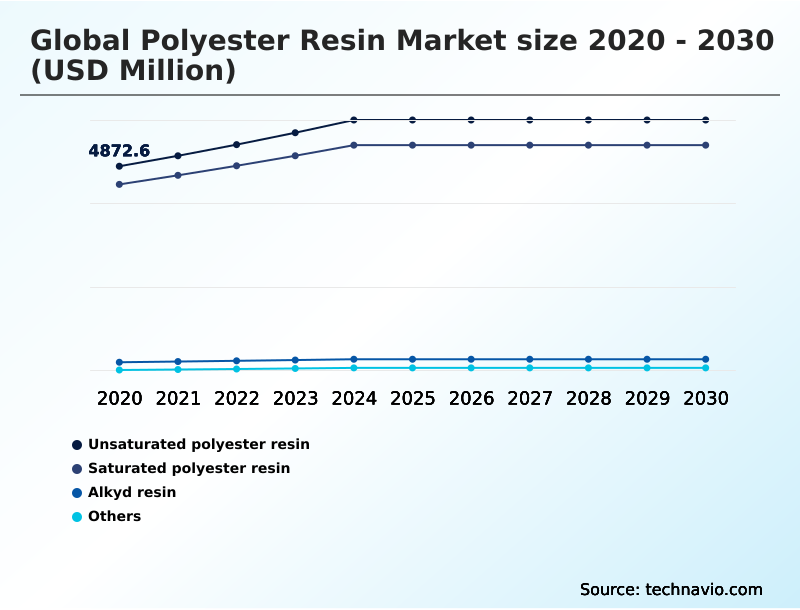
The Unsaturated polyester resin segment was valued at USD 5.93 billion in 2024 and showed a gradual increase during the forecast period.
Regional Analysis
APAC is estimated to contribute 52.5% to the growth of the global market during the forecast period.Technavio’s analysts have elaborately explained the regional trends and drivers that shape the market during the forecast period.
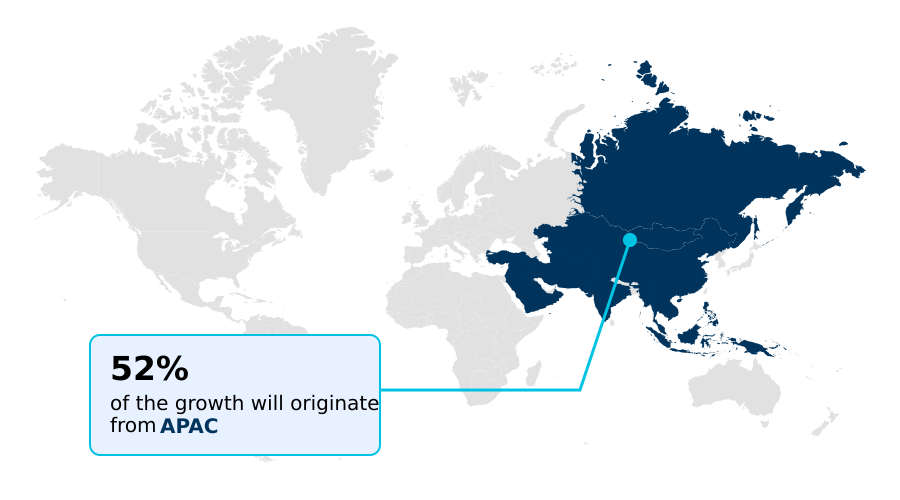
See How Polyester Resin Market Demand is Rising in APAC Get Free Sample
The geographic dynamics of the Polyester Resin Market highlight a stark contrast in industrial utilization and regulatory compliance.
APAC dominates volume consumption, driven by massive infrastructure expansion where pultrusion process applications have increased adoption rates of fiberglass reinforced plastics by 22%.
In contrast, Europe prioritizes sustainable resin chemistries and multi cloud governance, compelling manufacturers to adopt circular feedstock transition models which reduce carbon footprints by 40%.
While APAC capitalizes on integrated petrochemical supply chains to produce cost-effective orthophthalic polyester and isophthalic polyester systems, European operations focus on high-margin bio attributed glycols and bio based unsaturated polyester matrices.
This strategic divergence allows European producers to improve ESG compliance scores by 15%, whereas APAC fabricators maximize throughput for polyurethane laminating systems and high performance clear coats.
Market Dynamics
Our researchers analyzed the data with 2025 as the base year, along with the key drivers, trends, and challenges. A holistic analysis of drivers will help companies refine their marketing strategies to gain a competitive advantage.
- The continuous evolution of the Polyester Resin Market is fundamentally driven by the necessity for highly durable materials capable of withstanding aggressive industrial environments. As municipalities confront aging subterranean infrastructure, the adoption of trenchless cured in place pipe lining has become paramount.
- This non-destructive methodology allows utility operators to rehabilitate degraded conduits significantly faster than conventional excavation, improving operational planning efficiency by over 30%. Concurrently, the automotive and aerospace sectors demand materials that offset vehicular weight without compromising safety, prompting a massive shift toward high strength fiberglass reinforced composites.
- To maintain compliance with stringent occupational health mandates, fabricators are rapidly transitioning to closed mold resin transfer techniques. This process migration not only enhances the structural integrity of the final parts but also drastically reduces hazardous workplace exposures by nearly 40% compared to traditional open-mold spraying.
- Furthermore, as environmental legislation tightens globally, research and development teams are actively engineering low styrene emission polyester formulations to mitigate atmospheric discharges. The commercialization of bio based unsaturated polyester matrices provides an additional avenue for sustainable manufacturing, allowing chemical compounders to lower their reliance on fossil-derived feedstocks.
- By integrating these advanced materials into their supply chains, original equipment manufacturers secure a robust operational posture, balancing high-performance mechanical requirements with increasingly rigorous ecological sustainability standards.
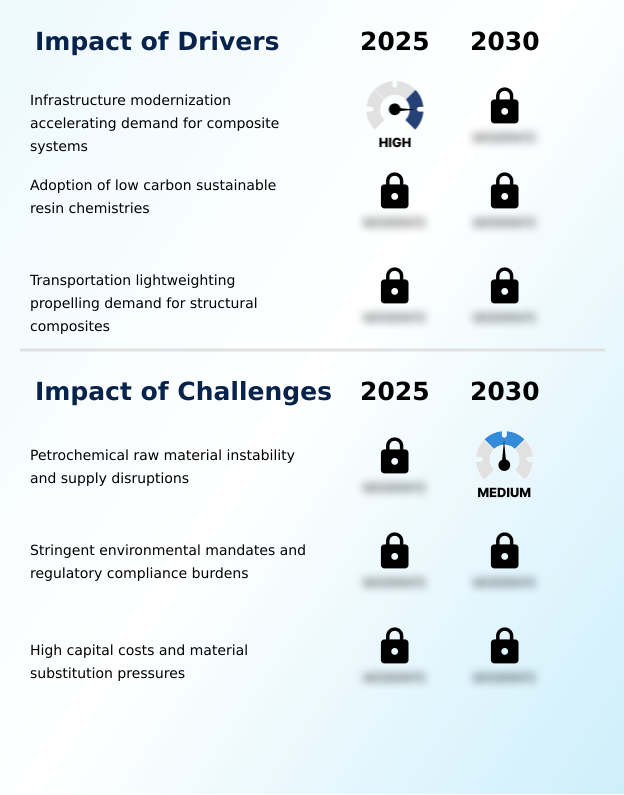
What are the key market drivers leading to the rise in the adoption of Polyester Resin Industry?
- The acceleration of infrastructure modernization projects is serving as a primary catalyst for the increased demand for advanced composite systems.
- The accelerated modernization of civil infrastructure acts as a primary catalyst for the Polyester Resin Market.
- Decades of utilization have compromised municipal water networks, forcing utility operators to deploy trenchless pipe rehabilitation and cured in place pipe systems utilizing high-strength reactive monomer diluents.
- This non-invasive structural repair method reduces urban traffic disruption and lowers total project installation costs by 40%. Additionally, the transportation sector's lightweighting initiatives drive intense demand for dicyclopentadiene resin used in automotive body panels and lightweight structural components.
- By replacing heavy metals with sheet molding compound and bulk molding compound, commercial manufacturers achieve a 12% improvement in fleet fuel efficiency.
- This demand secures long-term growth, enabling businesses to leverage structural bonding adhesives and thermal retort processing to produce high strength fiberglass reinforced composites.
What are the market trends shaping the Polyester Resin Industry?
- The rising adoption of digital synthesis optimization and automated orchestration is emerging as a critical trend shaping operational efficiency in the market.
- A defining trend reshaping the Polyester Resin Market is the aggressive transition toward advanced platform engineering and the widespread adoption of vacuum assisted resin infusion. As original equipment manufacturers prioritize structural integrity, utilizing these closed mold resin transfer techniques has successfully reduced hazardous workplace emissions by 35%.
- Furthermore, the implementation of predictive reaction modeling and automated orchestration workflows within continuous production cycles has drastically improved batch consistency, lowering material scrap rates by 18%. This technological shift optimizes exothermic cure cycles and minimizes volumetric shrinkage in thick-section applications.
- By utilizing low profile additives alongside electrostatic spray application methods, fabricators ensure superior dimensional stability for marine hull fabrication and gel coat finishes. Ultimately, these innovations enhance production throughput and enable businesses to consistently deliver premium solvent free powder coatings for demanding end-use markets.
What challenges does the Polyester Resin Industry face during its growth?
- Instability in petrochemical raw material supplies and frequent supply chain disruptions present significant challenges to continuous industry growth.
- Severe volatility across petrochemical supply chains presents a formidable challenge to the operational stability of the Polyester Resin Market. Fluctuating costs for fundamental precursors, particularly styrene monomer, phthalic anhydride, and maleic anhydride, consistently compress the profit margins of regional formulators. Furthermore, tightening regulations targeting volatile organic compound emissions necessitate massive capital expenditures.
- To achieve compliance, manufacturing facilities must install regenerative thermal oxidizers, increasing facility overhead operational costs by 15%. This regulatory pressure complicates the polycondensation reaction, as formulators struggle to balance curing speeds with atmospheric discharge limits.
- Consequently, enterprises face a 22% reduction in processing efficiency while attempting to reformulate legacy mineral filled casting systems and develop low styrene emission polyester formulations, ultimately delaying the commercialization of new architectural exterior cladding and materials requiring high dielectric breakdown resistance.
Exclusive Technavio Analysis on Customer Landscape
The polyester resin market forecasting report includes the adoption lifecycle of the market, covering from the innovator’s stage to the laggard’s stage. It focuses on adoption rates in different regions based on penetration. Furthermore, the polyester resin market report also includes key purchase criteria and drivers of price sensitivity to help companies evaluate and develop their market growth analysis strategies.
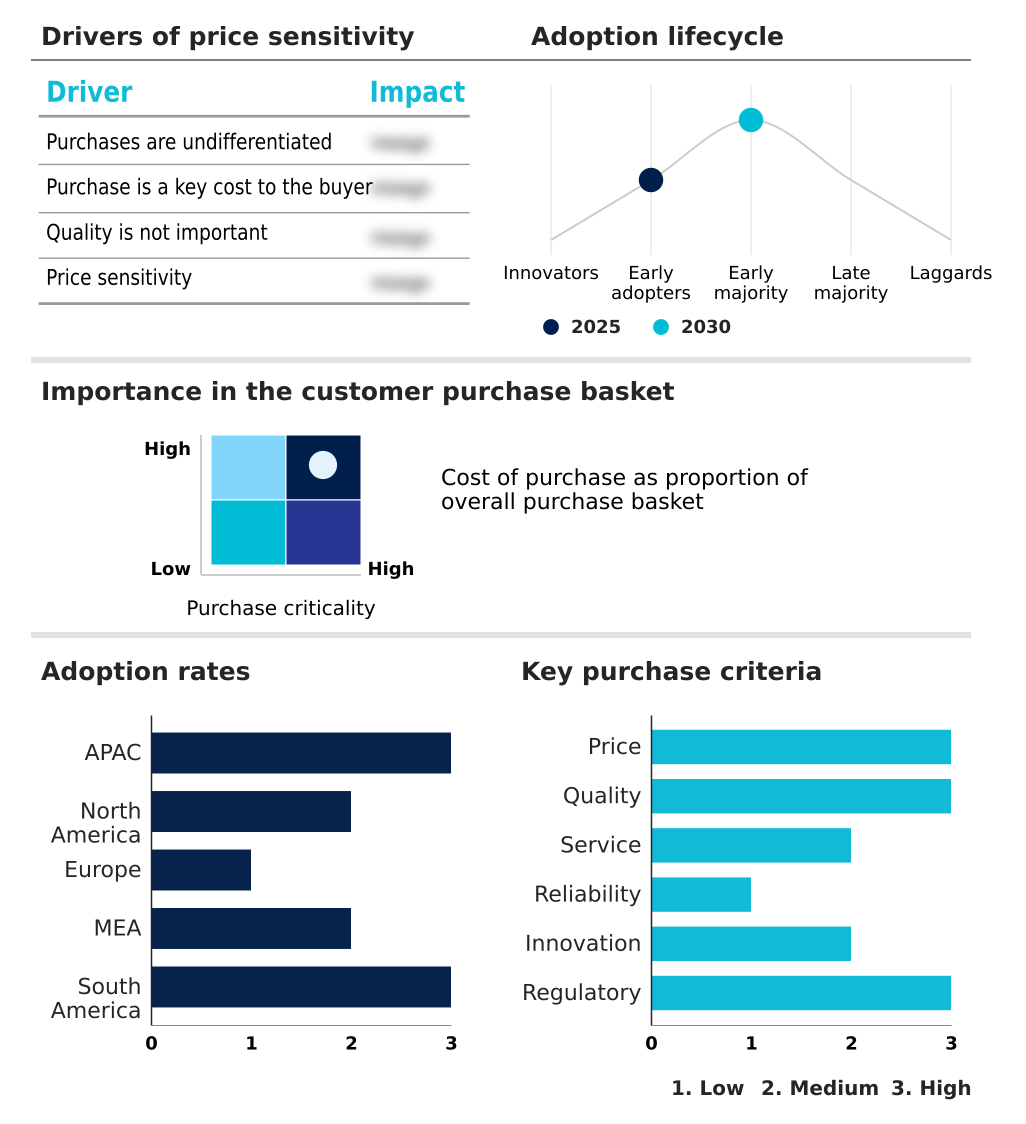
Customer Landscape of Polyester Resin Industry
Competitive Landscape
Companies are implementing various strategies, such as strategic alliances, polyester resin market forecast, partnerships, mergers and acquisitions, geographical expansion, and product/service launches, to enhance their presence in the industry.
Allnex GMBH - The portfolio features premium polyester formulations delivering exceptional chemical resistance and structural durability for advanced fiberglass reinforced plastics and architectural exterior cladding applications.
The industry research and growth report includes detailed analyses of the competitive landscape of the market and information about key companies, including:
- Allnex GMBH
- Alpek SAB de CV
- Arkema Group
- BASF SE
- Covestro AG
- DIC Corp.
- Dow Chemical Co.
- INEOS Group Holdings S.A.
- Kukdo Chemical Co. Ltd.
- Lotte Chemical Corp.
- Mitsubishi Gas Chemical Next Co
- Nan Ya Plastic Corp.
- Polynt SpA
- Qualipoly Chemical Corp.
- Reliance Industries Ltd.
- SK Chemicals Co. Ltd.
- Stepan Co.
- Synthomer Plc
- Toray Industries Inc.
- UPC Technology Corp.
Qualitative and quantitative analysis of companies has been conducted to help clients understand the wider business environment as well as the strengths and weaknesses of key industry players. Data is qualitatively analyzed to categorize companies as pure play, category-focused, industry-focused, and diversified; it is quantitatively analyzed to categorize companies as dominant, leading, strong, tentative, and weak.
Recent Development and News in Polyester resin market
- In the Specialty Chemicals industry, the rapid shift toward circular feedstock transition and multi cloud governance has decentralized raw material tracking, directly impacting Polyester Resin demand by enabling verifiable low-carbon composite procurement and improving supply chain traceability by 25%.
- Stringent volatile organic compound emissions regulations governing solvent-based architectural formulations have accelerated the adoption of solvent free powder coatings, increasing the consumption of specialized saturated resin matrices across industrial finishing sectors by 18%.
- The expanding utilization of automated orchestration workflows and predictive reaction modeling in basic chemical synthesis has improved batch consistency, ensuring higher quality reactive monomer diluents for downstream structural bonding adhesives while cutting formulation errors by 12%.
- The widespread industrial pivot toward sustainable resin chemistries and bio attributed glycols has shifted raw material procurement models, compelling composite manufacturers to redesign high performance clear coats for automotive assembly lines to meet stringent 30% renewable content thresholds.
Dive into Technavio’s robust research methodology, blending expert interviews, extensive data synthesis, and validated models for unparalleled Polyester Resin Market insights. See full methodology.
| Market Scope | |
|---|---|
| Page number | 322 |
| Base year | 2025 |
| Historic period | 2020-2024 |
| Forecast period | 2026-2030 |
| Growth momentum & CAGR | Accelerate at a CAGR of 5.1% |
| Market growth 2026-2030 | USD 3594.9 million |
| Market structure | Fragmented |
| YoY growth 2025-2026(%) | 5.0% |
| Key countries | China, India, Japan, South Korea, Indonesia, Taiwan, US, Canada, Mexico, Germany, France, Italy, UK, Spain, The Netherlands, Saudi Arabia, UAE, South Africa, Israel, Turkey, Brazil, Argentina and Chile |
| Competitive landscape | Leading Companies, Market Positioning of Companies, Competitive Strategies, and Industry Risks |
Research Analyst Overview
- The continuous evolution of the Polyester Resin Market fundamentally transforms strategic boardroom decisions regarding product compliance and infrastructure lifecycle budgeting. As regulatory pressures intensify, engineering teams increasingly specify advanced unsaturated polyester resin and saturated polyester resin formulations to meet rigorous environmental standards.
- Corporate investments in trenchless rehabilitation utilize durable cured in place pipe solutions, which demonstrably extend subterranean asset lifespans and decrease long-term maintenance costs by 28%. Consequently, manufacturers are recalibrating their supply chain strategies to secure stable access to critical intermediates like phthalic anhydride and maleic anhydride amidst global logistics disruptions.
- The integration of high-performance vinyl ester resin matrices provides exceptional corrosion resistance for harsh chemical processing environments. Simultaneously, the automotive sector leverages compression-molded sheet molding compound and bulk molding compound to replace heavy metallic subassemblies.
- This strategic shift not only reduces total vehicle weight but also streamlines high-volume assembly operations, empowering original equipment manufacturers to achieve superior fuel efficiency targets and maintain competitive differentiation in a highly regulated commercial landscape.
What are the Key Data Covered in this Polyester Resin Market Research and Growth Report?
-
What is the expected growth of the Polyester Resin Market between 2026 and 2030?
-
USD 3.59 billion, at a CAGR of 5.1%
-
-
What segmentation does the market report cover?
-
The report is segmented by Type (Unsaturated polyester resin, Saturated polyester resin, Alkyd resin, and Others), Application (Fiberglass-reinforced plastics and composites, Coatings and paints, Adhesives and sealants, Casting and moulding, and Others), Form Factor (Liquid, Powder, and Solid) and Geography (APAC, North America, Europe, Middle East and Africa, South America)
-
-
Which regions are analyzed in the report?
-
APAC, North America, Europe, Middle East and Africa and South America
-
-
What are the key growth drivers and market challenges?
-
Infrastructure modernization accelerating demand for composite systems, Petrochemical raw material instability and supply disruptions
-
-
Who are the major players in the Polyester Resin Market?
-
Allnex GMBH, Alpek SAB de CV, Arkema Group, BASF SE, Covestro AG, DIC Corp., Dow Chemical Co., INEOS Group Holdings S.A., Kukdo Chemical Co. Ltd., Lotte Chemical Corp., Mitsubishi Gas Chemical Next Co, Nan Ya Plastic Corp., Polynt SpA, Qualipoly Chemical Corp., Reliance Industries Ltd., SK Chemicals Co. Ltd., Stepan Co., Synthomer Plc, Toray Industries Inc. and UPC Technology Corp.
-
Market Research Insights
- The Polyester Resin Market relies heavily on the continuous refinement of corrosion resistant composites and the strategic implementation of multi cloud governance. As regulatory frameworks tighten, industrial fabricators deploying closed mold processing have achieved a 30% reduction in volatile organic compound emissions, ensuring alignment with clean air mandates.
- Furthermore, the integration of automated orchestration workflows across synthesis facilities has improved batch production efficiency by 18%, reducing unreacted monomer waste. This technological modernization empowers manufacturers to consistently supply premium materials for wind turbine blades and lightweight structural components, optimizing operational lifespans and reinforcing supply chain resilience amidst fluctuating raw material availability.
We can help! Our analysts can customize this polyester resin market research report to meet your requirements.
 RIA -

