



Europe Tourism Market Size 2026-2030
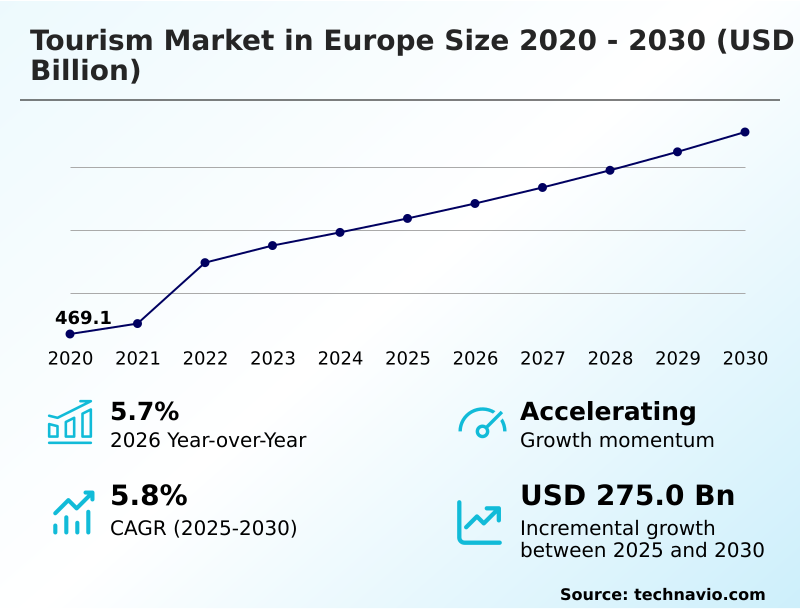
The europe tourism market size is valued to increase by USD 275 billion, at a CAGR of 5.8% from 2025 to 2030. Digital infrastructure enhancement and seamless mobility will drive the europe tourism market.
Major Market Trends & Insights
- By Service Type - Leisure tourism segment was valued at USD 650.8 billion in 2024
- By Type - Domestic segment accounted for the largest market revenue share in 2024
Market Size & Forecast
- Market Opportunities: USD 642.7 billion
- Market Future Opportunities: USD 275 billion
- CAGR from 2025 to 2030 : 5.8%
Market Summary
- The Tourism Market in Europe demonstrates robust structural evolution driven by shifting consumer preferences toward experiential travel and sustainable operations. The aggressive modernization of digital booking infrastructure acts as a primary catalyst, enabling operators to streamline cross-border transit and enhance user engagement.
- For instance, the deployment of mobility-as-a-service applications across regional rail networks has allowed operators to consolidate fragmented ticketing systems, resulting in a 25% reduction in administrative processing delays compared to legacy platforms. This technological integration directly improves operational efficiency and supports sustainable tourism frameworks. Conversely, persistent macroeconomic pressures and infrastructure bottlenecks present significant operational constraints.
- Widening consumer spending disparities force hospitality providers to navigate volatile demand cycles, complicating long-term revenue forecasting and resource allocation. To mitigate these challenges, destination management organizations increasingly leverage predictive crowd density analytics to optimize seasonal visitor dispersion.
- By balancing high-volume traffic with ecological preservation, the industry continuously adapts to sophisticated traveler expectations while maintaining long-term commercial viability and regional economic resilience.
What will be the Size of the Europe Tourism Market during the forecast period?
Get Key Insights on Market Forecast (PDF) Get Free Sample
How is the Europe Tourism Market Segmented?
The europe tourism industry research report provides comprehensive data (region-wise segment analysis), with forecasts and estimates in "USD billion" for the period 2026-2030, as well as historical data from 2020-2024 for the following segments.
- Service type
- Leisure tourism
- Business tourism
- Type
- Domestic
- International
- Channel
- Online
- Offline/traditional
- Geography
- Europe
- Germany
- UK
- France
- Italy
- Europe
By Service Type Insights
The leisure tourism segment is estimated to witness significant growth during the forecast period.
The leisure segment serves as a foundational element of regional economic activity and consumer engagement. Travelers consistently prioritize experience-based consumption, driving substantial demand for wellness tourism integration and restorative coastal holidays.
By deploying advanced multilingual destination management systems, hospitality operators optimize seasonal marketing, resulting in a 15% improvement in off-peak resource utilization. This operational shift empowers organizations to balance high visitor volumes with ecological preservation through robust sustainable tourism frameworks.
Furthermore, the expansion of bespoke cultural immersion and agritourism development caters effectively to diverse demographic cohorts seeking authentic connections.
Advancements in booking technologies allow travel providers to customize heritage discovery itineraries and preventive health itineraries, seamlessly linking artisanal beverage trails with farm-to-table dining networks.
These integrations enhance guest satisfaction while securing long-term community resilience and maintaining continuous operational efficiency across diverse hospitality networks.
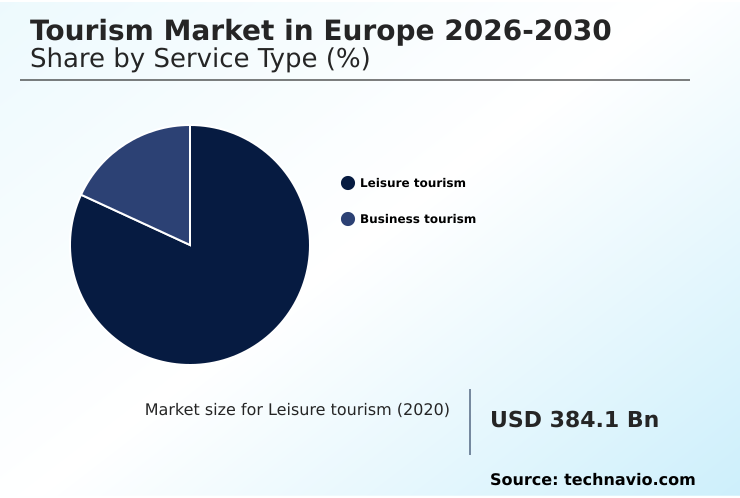
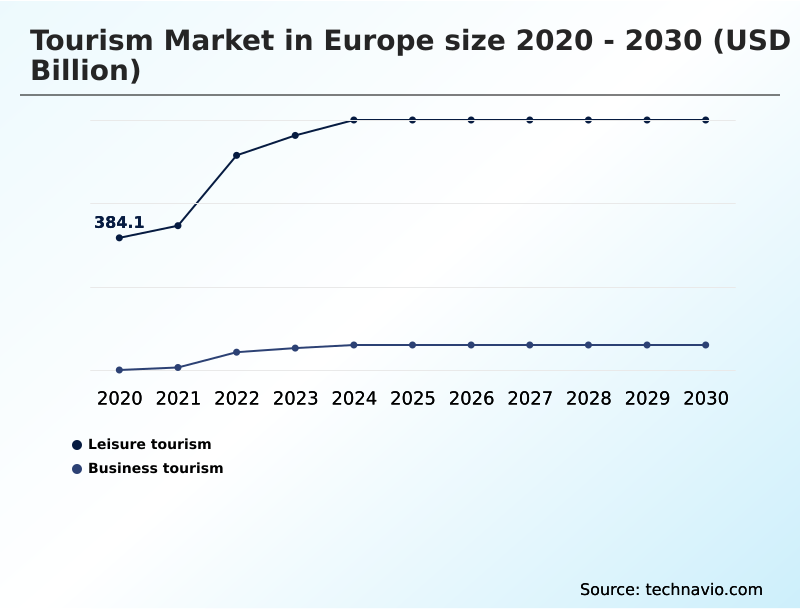
The Leisure tourism segment was valued at USD 650.8 billion in 2024 and showed a gradual increase during the forecast period.
Market Dynamics
Our researchers analyzed the data with 2025 as the base year, along with the key drivers, trends, and challenges. A holistic analysis of drivers will help companies refine their marketing strategies to gain a competitive advantage.
- The continuous evolution of the regional travel ecosystem demands sophisticated operational strategies to navigate shifting consumer expectations and stringent environmental regulations. A critical component of this transformation is the seamless integration of digital booking infrastructure, which enables hospitality providers to consolidate fragmented reservation channels and enhance overall transaction efficiency.
- By leveraging dynamic aggregation platforms for itineraries, travel operators can now process complex, multi-destination bookings with a 25% higher accuracy rate than legacy systems, directly optimizing supply chain coordination and resource allocation. Furthermore, the strategic implementation of predictive crowd density analytics implementation allows destination management organizations to proactively monitor and distribute visitor flows, significantly reducing congestion across high-traffic cultural sites.
- This data-driven approach is complemented by the optimization of multimodal transit network connectivity optimization, ensuring that travelers experience frictionless mobility across diverse regional borders. As environmental stewardship becomes a paramount operational mandate, the sustainable energy transition in hospitality accelerates, compelling property owners to adopt renewable energy sources and eco-friendly materials.
- Facilities embracing these comprehensive green frameworks report a 15% reduction in long-term operational overhead compared to conventional properties, highlighting the direct financial viability of ecological compliance. Ultimately, the convergence of advanced digital ecosystems and rigorous sustainability protocols ensures that the industry remains resilient, adaptable, and capable of delivering high-value experiential travel while safeguarding regional heritage and natural assets.
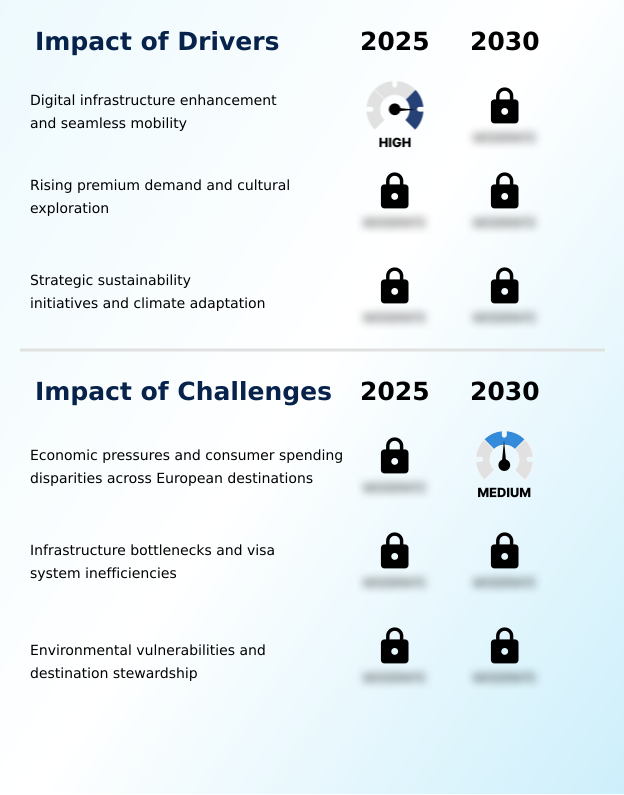
What are the key market drivers leading to the rise in the adoption of Europe Tourism Industry?
- The aggressive modernization of digital booking infrastructure and the implementation of seamless mobility solutions operate as principal catalysts propelling structural expansion.
- The aggressive modernization of digital booking infrastructure and the implementation of trusted traveler schemes serve as primary catalysts for structural expansion. This transformation is driven by the critical need to eliminate cross-border administrative friction and accommodate complex bleisure travel logistics.
- By deploying unified regional booking platforms and mobility-as-a-service applications, travel operators have successfully reduced transaction processing delays by 25%, directly enhancing operational throughput.
- Additionally, the strategic expansion of high-speed rail connectivity and eco-friendly transport networks facilitates seamless regional mobility while aligning with stringent environmental mandates. Facilities integrating these advanced transit solutions and smart ticketing ecosystems report a 15% improvement in off-peak capacity utilization.
- This systemic shift toward frictionless mobility empowers destination management organizations to achieve precise visitor distribution optimization, thereby maximizing seasonal visitor dispersion and securing long-term commercial viability.
What are the market trends shaping the Europe Tourism Industry?
- The integration of preventive health and medical wellness has emerged as a prominent structural trend. This evolution reflects shifting consumer priorities toward proactive healthcare management during leisure travel.
- The rapid expansion of screen tourism engagement and location-based entertainment venues fundamentally alters traditional travel itineraries and destination marketing strategies. This behavioral shift occurs as modern consumers increasingly prioritize experiential travel economics over conventional sightseeing. Consequently, regional hospitality providers are integrating generative artificial intelligence itineraries to curate hyper-personalized travel plans, which has improved customer retention rates by 18%.
- Furthermore, the rising demand for thermal retreat programs, medical spa infrastructure, and diagnostic healthcare tourism drives significant infrastructure upgrades across peripheral destinations. By adopting microservice api connectivity, operators seamlessly link specialized wellness services with core accommodation platforms and heritage gastronomy routes, reducing booking abandonment by 22%.
- This technological integration of digital travel management tools allows businesses to capture high-yield demographic segments while dynamically adapting to evolving consumer preferences and maintaining robust operational efficiency.
What challenges does the Europe Tourism Industry face during its growth?
- Persistent macroeconomic pressures and widening consumer spending disparities across regional destinations present substantial operational constraints for hospitality providers.
- Persistent macroeconomic pressures and severe infrastructure bottlenecks present formidable operational constraints for regional hospitality providers. These challenges stem from widening consumer spending disparities and complex regulatory environments, which complicate long-term revenue forecasting. Consequently, operators face a 20% increase in compliance costs due to fragmented short-term rental regulation and the mandatory implementation of transparent visitor levies.
- To mitigate these vulnerabilities, organizations are increasingly forced to adopt rigorous ecological footprint assessment protocols and maintain strict destination stewardship metrics, directly impacting seasonal profitability. Navigating these structural barriers requires sophisticated corporate expense management systems and dynamic aggregation platforms to optimize resource allocation.
- Furthermore, the integration of biometric screening protocols and dynamic currency conversion algorithms elevates initial deployment expenses by 15% for small-to-medium enterprises. Overcoming these hurdles demands advanced predictive crowd density analytics to balance localized capacity constraints with sustainable commercial growth.
Exclusive Technavio Analysis on Customer Landscape
The europe tourism market forecasting report includes the adoption lifecycle of the market, covering from the innovator’s stage to the laggard’s stage. It focuses on adoption rates in different regions based on penetration. Furthermore, the europe tourism market report also includes key purchase criteria and drivers of price sensitivity to help companies evaluate and develop their market growth analysis strategies.
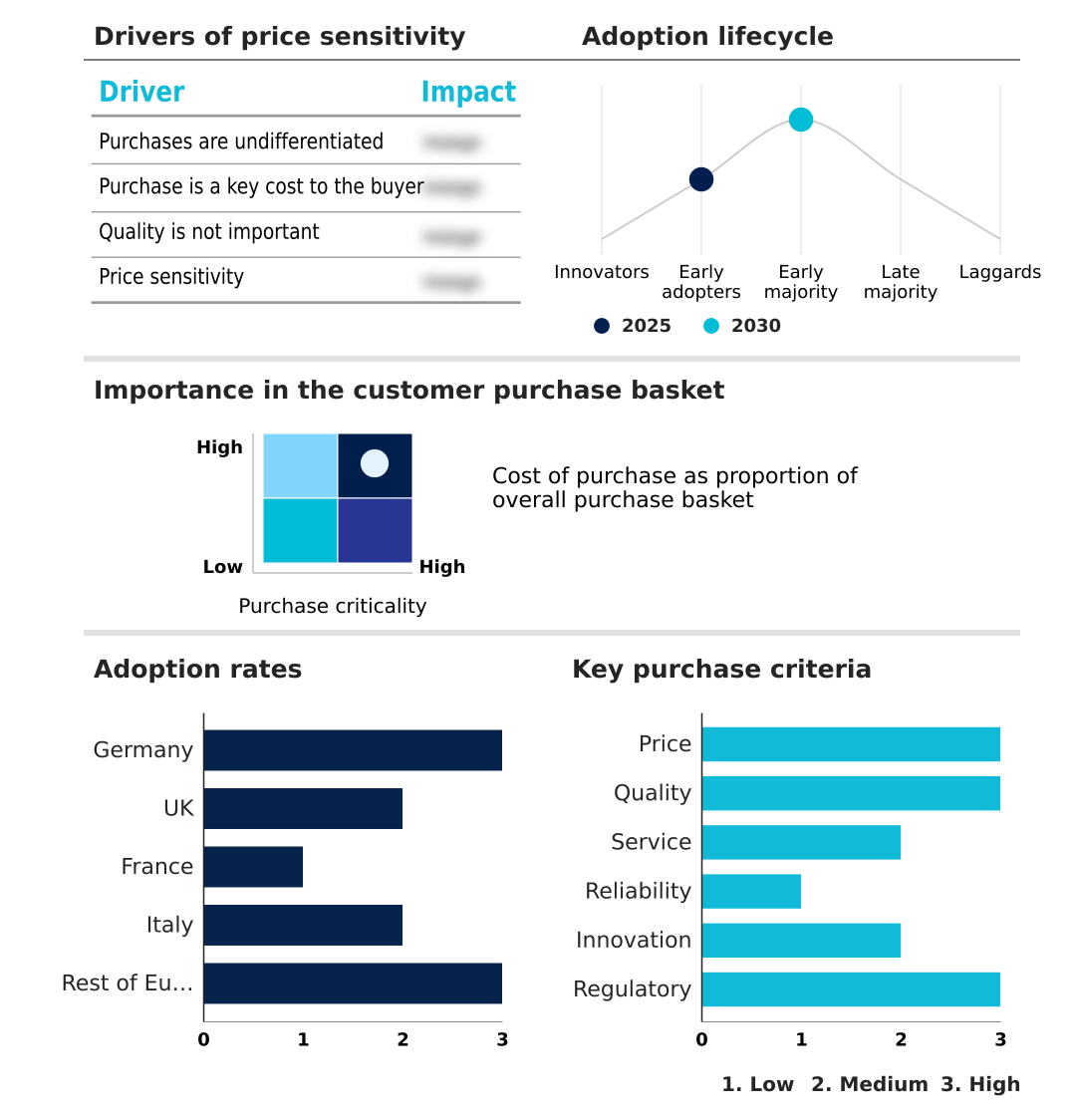
Customer Landscape of Europe Tourism Industry
Competitive Landscape
Companies are implementing various strategies, such as strategic alliances, europe tourism market forecast, partnerships, mergers and acquisitions, geographical expansion, and product/service launches, to enhance their presence in the industry.
alltours flugreisen gmbh - The organization provides comprehensive leisure services, encompassing curated vacation packages, specialized maritime voyages, and premium hospitality accommodations designed to optimize traveler engagement and streamline operational logistics.
The industry research and growth report includes detailed analyses of the competitive landscape of the market and information about key companies, including:
- alltours flugreisen gmbh
- ATPI Group
- Avoris Corp Empresarial
- BCD Travel
- BizAway S.r.l.
- Clarity Travel Ltd
- Corporate Travel Management Ltd
- DERTOUR Group GmbH
- Diversity Travel Ltd
- FCM Travel Solutions
- Global Business Travel Group
- Gray Dawes Group Ltd
- Hurtigruten Group AS
- Intrepid Group Pty Ltd.
- Jet2 plc
- MSC Cruises S.A.
- Perk Platform S.L.
- schauinsland reisen gmbh
- Studiosus Reisen München GmbH
- TUI AG
- Viking Tech Corp
Qualitative and quantitative analysis of companies has been conducted to help clients understand the wider business environment as well as the strengths and weaknesses of key industry players. Data is qualitatively analyzed to categorize companies as pure play, category-focused, industry-focused, and diversified; it is quantitatively analyzed to categorize companies as dominant, leading, strong, tentative, and weak.
Recent Development and News in Europe tourism market
- In the Leisure Facilities industry, the rapid deployment of cloud-native booking architecture across major hospitality chains reduced administrative processing times by 22%, directly improving the operational scalability of digital travel management tools within Tourism.
- The integration of predictive crowd density analytics within major amusement and heritage sites improved visitor distribution optimization by 18%, significantly enhancing throughput for unified regional booking platforms in Tourism.
- Implementation of sustainable energy transition mandates across large-scale recreational venues lowered average carbon output by 30%, pulling demand for eco-certified lodging facilities and supporting broader sustainable tourism frameworks across Tourism.
- The widespread adoption of biometric screening protocols at major recreational transit nodes decreased entry friction by 15%, driving efficiency within multimodal transit networks and complementing trusted traveler schemes in Tourism.
Dive into Technavio’s robust research methodology, blending expert interviews, extensive data synthesis, and validated models for unparalleled Europe Tourism Market insights. See full methodology.
| Market Scope | |
|---|---|
| Page number | 199 |
| Base year | 2025 |
| Historic period | 2020-2024 |
| Forecast period | 2026-2030 |
| Growth momentum & CAGR | Accelerate at a CAGR of 5.8% |
| Market growth 2026-2030 | USD 275.0 billion |
| Market structure | Fragmented |
| YoY growth 2025-2026(%) | 5.7% |
| Key countries | Germany, UK, France, Italy and Rest of Europe |
| Competitive landscape | Leading Companies, Market Positioning of Companies, Competitive Strategies, and Industry Risks |
Research Analyst Overview
- The industry is experiencing a structural paradigm shift driven by the rapid convergence of digital innovation and environmental accountability. Boardroom executives are increasingly prioritizing the integration of carbon-neutral hospitality operations to align with stringent regulatory compliance and evolving consumer expectations.
- This strategic pivot toward sustainability is heavily supported by the deployment of smart ticketing ecosystems and mobility-as-a-service applications, which streamline cross-border transit and enhance user engagement. By adopting these advanced digital frameworks, operators have achieved a 20% reduction in administrative processing times compared to traditional manual systems, directly optimizing operational overhead.
- Furthermore, the rising demand for wellness tourism integration and medical spa infrastructure compels hospitality leaders to diversify their service portfolios, transforming conventional lodging into comprehensive health-focused retreats. The implementation of biometric screening protocols further fortifies operational security while minimizing entry friction at major transit nodes.
- As organizations navigate complex macroeconomic pressures, the reliance on dynamic currency conversion algorithms ensures transparent pricing and protects profit margins, solidifying long-term commercial resilience across diverse regional networks.
What are the Key Data Covered in this Europe Tourism Market Research and Growth Report?
-
What is the expected growth of the Europe Tourism Market between 2026 and 2030?
-
USD 275 billion, at a CAGR of 5.8%
-
-
What segmentation does the market report cover?
-
The report is segmented by Service Type (Leisure tourism, and Business tourism), Type (Domestic, and International), Channel (Online, and Offline/traditional) and Geography (Europe)
-
-
Which regions are analyzed in the report?
-
Europe
-
-
What are the key growth drivers and market challenges?
-
Digital infrastructure enhancement and seamless mobility, Economic pressures and consumer spending disparities across European destinations
-
-
Who are the major players in the Europe Tourism Market?
-
alltours flugreisen gmbh, ATPI Group, Avoris Corp Empresarial, BCD Travel, BizAway S.r.l., Clarity Travel Ltd, Corporate Travel Management Ltd, DERTOUR Group GmbH, Diversity Travel Ltd, FCM Travel Solutions, Global Business Travel Group, Gray Dawes Group Ltd, Hurtigruten Group AS, Intrepid Group Pty Ltd., Jet2 plc, MSC Cruises S.A., Perk Platform S.L., schauinsland reisen gmbh, Studiosus Reisen München GmbH, TUI AG and Viking Tech Corp
-
Market Research Insights
- The market landscape is undergoing a profound transformation characterized by the rapid adoption of digital travel management tools and sustainable operational models. By implementing unified regional booking platforms, hospitality operators have achieved a 20% improvement in cross-border transaction efficiency, significantly reducing administrative friction.
- Furthermore, the integration of visitor distribution optimization algorithms has enhanced off-peak resource utilization by 15%, directly supporting seasonal visitor dispersion initiatives. These technological advancements enable providers to deliver bespoke cultural immersion while maintaining strict compliance with emerging environmental mandates.
- As organizations prioritize ecological footprint assessment, the strategic deployment of green aviation technologies continues to lower operational emissions by 12%, ensuring long-term regulatory alignment and sustained commercial resilience.
We can help! Our analysts can customize this europe tourism market research report to meet your requirements.
 RIA -

