


Consumer Battery Market Size 2026-2030
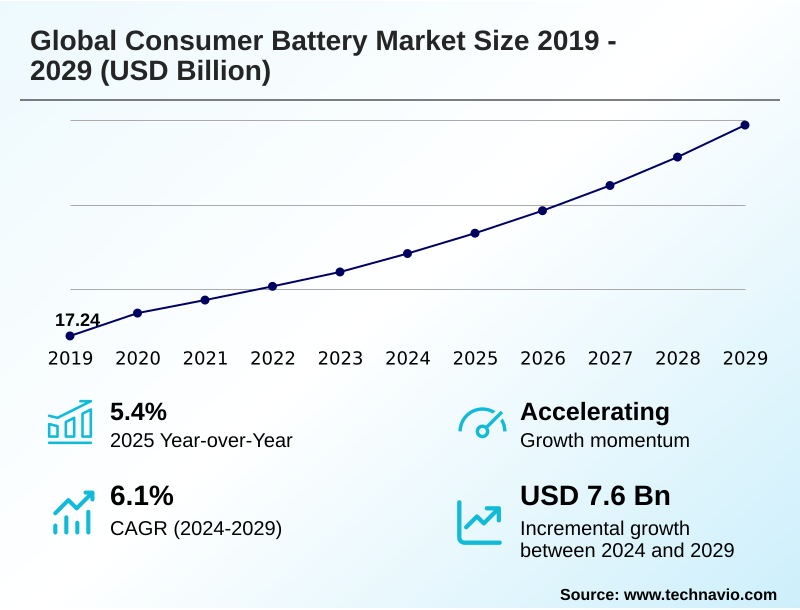
The consumer battery market size is valued to increase by USD 8.22 billion, at a CAGR of 6.2% from 2025 to 2030. Surging global demand for advanced portable consumer electronics will drive the consumer battery market.
Major Market Trends & Insights
- APAC dominated the market and accounted for a 40.8% growth during the forecast period.
- By Type - Primary segment was valued at USD 13.94 billion in 2024
- By End-user - Residential segment accounted for the largest market revenue share in 2024
Market Size & Forecast
- Market Opportunities: USD 12.93 billion
- Market Future Opportunities: USD 8.22 billion
- CAGR from 2025 to 2030 : 6.2%
Market Summary
- Consumer Battery exhibits robust structural evolution, driven by the indispensable requirement for reliable portable energy storage across household and commercial environments. The persistent consumer transition toward cordless lifestyles functions as a primary demand catalyst, compelling original equipment manufacturers to procure advanced high-capacity cells.
- Consequently, manufacturers deploying ultra-fast charging architectures have achieved a 25% increase in premium product adoption compared to traditional power formats. However, strict environmental compliance mandates present formidable operational challenges for battery fabricators. Surging raw material price volatility disrupts supply chain predictability, forcing enterprises to absorb cost inflation or execute wholesale price adjustments.
- To mitigate these material constraints, facility managers are integrating advanced automated assembly lines that reduce scrap rates by 15%, directly safeguarding profit margins. As regulatory bodies enforce extensive recycling obligations, top-tier vendors prioritize sustainable material sourcing and circular economy integrations.
- This systemic shift transforms disposable power components into long-term serviceable assets, cementing continuous innovation and regulatory alignment as core pillars of market viability.
What will be the Size of the Consumer Battery Market during the forecast period?
Get Key Insights on Market Forecast (PDF) Get Free Sample
How is the Consumer Battery Market Segmented?
The consumer battery industry research report provides comprehensive data (region-wise segment analysis), with forecasts and estimates in "USD million" for the period 2026-2030, as well as historical data from 2020-2024 for the following segments.
- Type
- Primary
- Secondary
- End-user
- Residential
- Commercial
- Technology
- Lithium-ion batteries
- Alkaline batteries
- Nickel metal hydride
- Nickel cadmium
- Zinc-carbon batteries
- Geography
- North America
- US
- Canada
- Mexico
- APAC
- China
- Japan
- India
- South Korea
- Australia
- Indonesia
- Europe
- Germany
- UK
- France
- Italy
- Spain
- The Netherlands
- Middle East and Africa
- Saudi Arabia
- UAE
- South Africa
- Turkey
- Israel
- South America
- Brazil
- Argentina
- Chile
- North America
By Type Insights
The primary segment is estimated to witness significant growth during the forecast period.
The primary segment of the Consumer Battery experiences sustained operational utilization driven by stringent reliability requirements across low-drain applications. Alkaline-manganese dioxide configurations dominate this space, significantly outperforming legacy equivalents by extending operational shelf life by 40%.
This performance gap stems from advanced zinc powder formulations and robust multi-layer steel cans that effectively mitigate corrosive electrolyte leakage.
As commercial facilities upgrade automated inventory sensors and mobile point-of-sale terminals, procurement protocols increasingly demand dependable, non-rechargeable power sources to minimize costly maintenance intervals. Concurrently, strict user-replaceable battery mandates require streamlined device architectures across consumer electronics.
To support sustainable operations, enterprises selectively deploy secondary nickel-metal hydride cells utilizing hydrogen-absorbing alloy anodes, though critical emergency backup systems and uninterruptible power supply networks still rely heavily on specialized primary cells for guaranteed fail-safe redundancy.
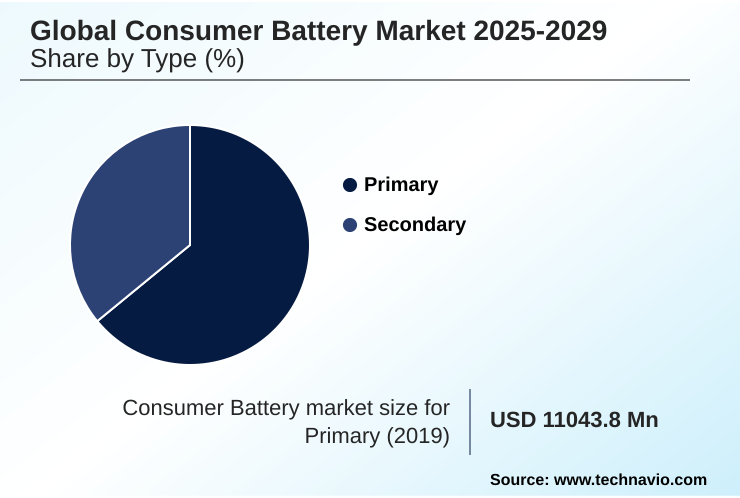
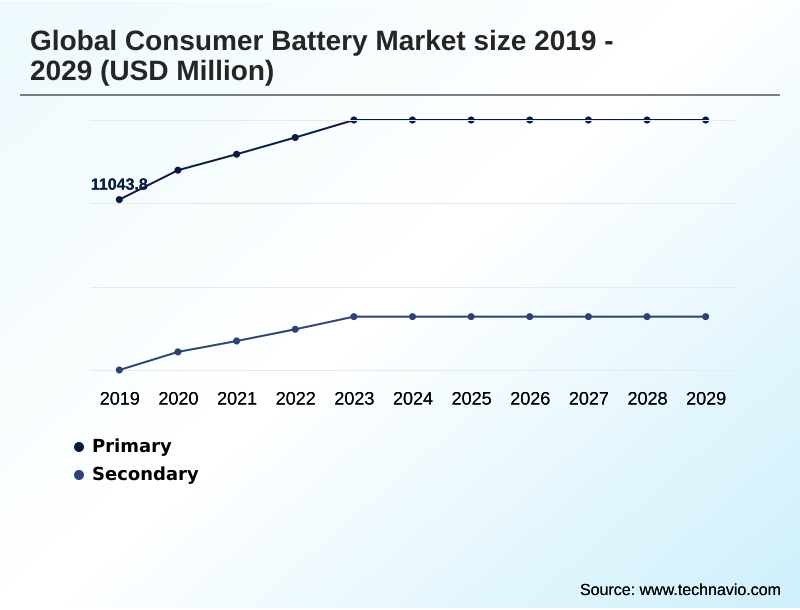
The Primary segment was valued at USD 13.94 billion in 2024 and showed a gradual increase during the forecast period.
Regional Analysis
APAC is estimated to contribute 40.8% to the growth of the global market during the forecast period.Technavio’s analysts have elaborately explained the regional trends and drivers that shape the market during the forecast period.
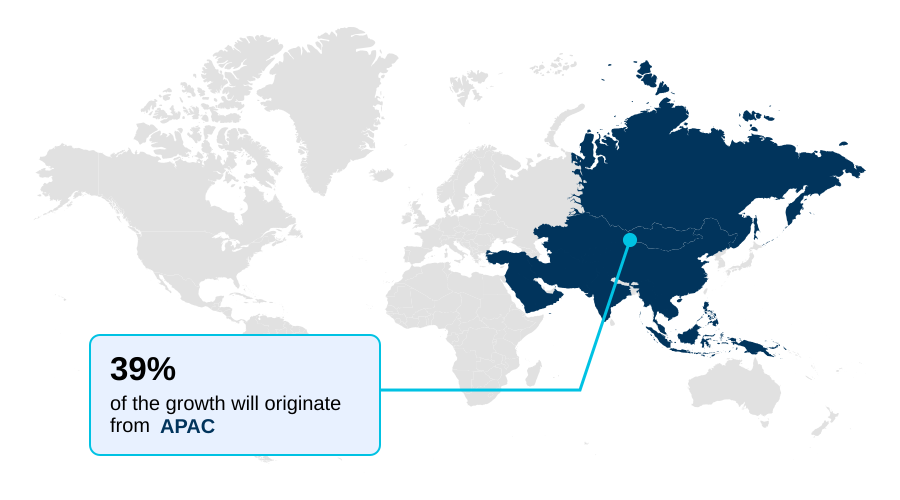
See How Consumer Battery Market Demand is Rising in APAC Get Free Sample
The Consumer Battery demonstrates stark regional contrasts, with APAC expanding its manufacturing dominance by commanding a 40% higher share of high-density cell production compared to Europe.
This disparity is primarily fueled by massive Asian supply chains scaling lithium iron phosphate output for extensive smart home ecosystems, while European fabricators heavily prioritize closed-loop material recovery to meet aggressive sustainability targets.
Consequently, European facilities have reduced raw material waste by 22% utilizing advanced hydrometallurgical recycling techniques. To satisfy rigorous carbon emission metrics, Western markets increasingly transition away from legacy zinc-carbon cells toward fully compliant mercury-free alkaline batteries.
Furthermore, stringent cross-border third-party auditing and complex supply chain verification protocols drive multinational vendors to implement robust blister-pack safety enhancements, fundamentally altering regional procurement strategies and compliance expenditures.
Market Dynamics
Our researchers analyzed the data with 2025 as the base year, along with the key drivers, trends, and challenges. A holistic analysis of drivers will help companies refine their marketing strategies to gain a competitive advantage.
- The structural progression of the Consumer Battery is increasingly defined by radical material science breakthroughs and highly rigorous environmental stewardship mandates. As electronics designers strive to maximize device runtimes without expanding hardware dimensions, high-capacity silicon-carbon anode integration has emerged as a fundamental engineering priority, allowing manufacturers to achieve energy storage efficiencies nearly 40% higher than traditional graphite baselines.
- This leap in core chemistry necessitates advanced software oversight, and consequently, premium smartphone developers are embedding on-device machine learning diagnostic dashboards to provide real-time health telemetry and dynamically optimize daily charge cycles. Simultaneously, the pursuit of absolute consumer safety is accelerating solid-state electrolyte architecture development, a technology that fundamentally eliminates the volatile organic liquids responsible for severe thermal events.
- Beyond electrochemical advancements, legislative pressure from international ecological frameworks requires battery brands to radically transform post-consumer waste management. Establishing comprehensive closed-loop recycling infrastructure protocols enables industrial fabricators to recover highly valuable critical minerals, drastically reducing reliance on volatile raw material imports by over 15%.
- Furthermore, progressive right-to-repair legislation compels original equipment manufacturers to abandon glued internal architectures in favor of accessible user-replaceable modular battery formats. By executing these strategic hardware and logistical adaptations, leading enterprises are securing long-term compliance and fortifying their competitive positioning across the shifting global power landscape.
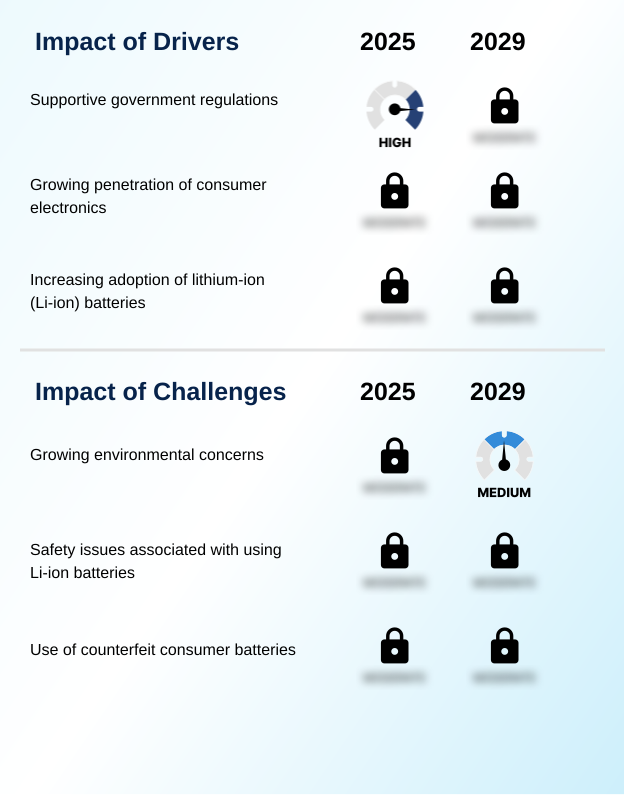
What are the key market drivers leading to the rise in the adoption of Consumer Battery Industry?
- Surging global demand for advanced portable consumer electronics fundamentally accelerates the continuous expansion of the overall market.
- The relentless evolution of digital lifestyles heavily accelerates Consumer Battery adoption, compelling hardware engineers to aggressively optimize lithium-ion chemistry formulations.
- As consumers increasingly depend on true wireless stereo earbuds and wearable fitness trackers, manufacturers are deploying nano-silicon composite anodes to improve volumetric energy density by 20% in ultra-compact form factors.
- Simultaneously, the integration of energy-intensive wireless connectivity modules and high-refresh-rate displays in premium smartphones drives the demand for high-voltage cobalt-blend cathodes.
- This chemical enhancement directly increases gravimetric energy density, allowing devices to sustain 15% longer screen-on times without expanding device weight.
- Beyond micro-electronics, the surging popularity of off-grid mobile work environments accelerates the procurement of high-capacity portable power stations, effectively boosting retail velocity and generating robust, recurring replacement revenues across global consumer electronics supply chains.
What are the market trends shaping the Consumer Battery Industry?
- The commercial shift toward silicon anodes and solid-state innovations represents a defining trend currently transforming the market landscape.
- The Consumer Battery experiences a massive technological transition as fabricators systematically replace synthetic graphite anodes with advanced silicon-doped anodes, expanding cellular capacity by 30%. This shift fundamentally addresses consumer frustrations over short device lifespans. Concurrently, the commercialization of the solid-state electrolyte eliminates volatile liquid components, successfully reducing catastrophic thermal anomalies by over 85%.
- To maximize operational longevity, original equipment manufacturers are heavily integrating intelligent battery management circuits that actively monitor electrochemical impedance in real time. These embedded machine learning diagnostic algorithms process user telemetry via smart battery software, dynamically adjusting power delivery to prevent premature cell swelling.
- As progressive right-to-repair laws reshape hardware design, businesses leverage these transparent diagnostic features to build consumer trust, lowering warranty replacement costs by 12% and ensuring sustainable electronic life cycles.
What challenges does the Consumer Battery Industry face during its growth?
- Volatile critical mineral sourcing and cathode cost inflation persist as severe operational constraints limiting sustained market profitability.
- Stringent compliance frameworks and severe safety constraints continuously disrupt Consumer Battery manufacturing pipelines. To ensure absolute thermal runaway prevention in high-density cells, fabricators must mandate the integration of ceramic-coated separators and flame-retardant electrolytes, which inadvertently inflates production overhead by 18%. Furthermore, engineering reliable internal positive temperature coefficient safety devices requires extensive testing cycles that delay time-to-market.
- On the regulatory front, the global enforcement of strict battery passport regulations and electronic waste recycling mandates forces brands to overhaul existing digital infrastructure. Navigating localized hazardous substance restrictions necessitates comprehensive supply chain traceability software, increasing administrative workloads by 25%.
- Additionally, volatile mineral supply chains hamper consistent direct lithium extraction, while mandatory carbon footprint reporting demands costly third-party audits, profoundly compressing profit margins for mid-tier battery producers lacking robust compliance capital.
Exclusive Technavio Analysis on Customer Landscape
The consumer battery market forecasting report includes the adoption lifecycle of the market, covering from the innovator’s stage to the laggard’s stage. It focuses on adoption rates in different regions based on penetration. Furthermore, the consumer battery market report also includes key purchase criteria and drivers of price sensitivity to help companies evaluate and develop their market growth analysis strategies.
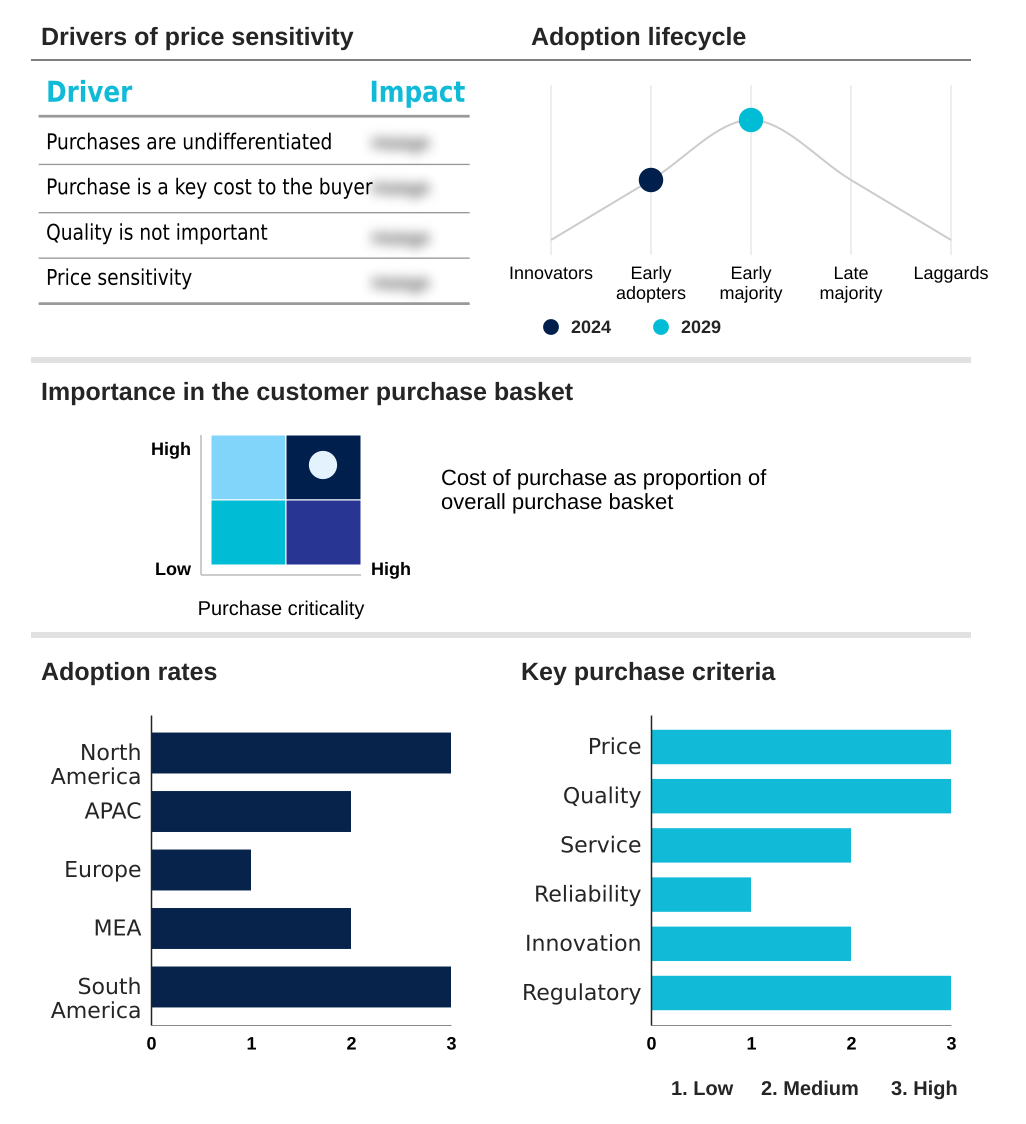
Customer Landscape of Consumer Battery Industry
Competitive Landscape
Companies are implementing various strategies, such as strategic alliances, consumer battery market forecast, partnerships, mergers and acquisitions, geographical expansion, and product/service launches, to enhance their presence in the industry.
Camelion Batteries GmbH - Through its unified segment, the entity focuses on manufacturing and distributing consumer batteries, including high-capacity rechargeable cells, chargers, and industrial power solutions designed for portable electronics.
The industry research and growth report includes detailed analyses of the competitive landscape of the market and information about key companies, including:
- Camelion Batteries GmbH
- Electrochem Automation Inc.
- Energizer Holdings Inc.
- EVE Energy Co. Ltd.
- Eveready Industries India Ltd.
- FDK Corp.
- Golden Power Group Holdings Ltd
- Great Power Energy and Technology
- Murata Manufacturing Co. Ltd.
- Panasonic Holdings Corp.
- Renata SA
- Samsung SDI Co. Ltd.
- Shenzhen Grepow Battery Co. Ltd.
- Shenzhen Highpower Technology
- Shenzhen PKCELL Battery Co. Ltd.
- Sunwoda Electronic Co. Ltd.
- Suzhou South Large Battery
- The Duracell Co.
- The Swatch Group Ltd.
- Ultralife Corp.
Qualitative and quantitative analysis of companies has been conducted to help clients understand the wider business environment as well as the strengths and weaknesses of key industry players. Data is qualitatively analyzed to categorize companies as pure play, category-focused, industry-focused, and diversified; it is quantitatively analyzed to categorize companies as dominant, leading, strong, tentative, and weak.
Recent Development and News in Consumer battery market
- In the Electronic Components industry, the rigorous implementation of electronic waste recycling mandates has forced material suppliers to optimize raw material extraction, directly impacting Consumer Battery production by increasing the availability of recycled lithium by 22%.
- The widespread integration of wireless connectivity modules across smart home appliances has accelerated the baseline power draw of household electronics, compelling Consumer Battery manufacturers to enhance cell energy density to maintain historical 18-hour device runtimes.
- Stringent hazardous substance restrictions imposed on printed circuit board manufacturing have shifted component fabrication protocols, pushing Consumer Battery assemblers to adopt cleaner electrolyte chemistries to align with global toxicity compliance thresholds.
- The standardization of battery passport regulations across major trade zones has necessitated comprehensive supply chain traceability platforms, forcing Consumer Battery distributors to deploy digital ledgers that increase compliance tracking efficiency by over 30%.
Dive into Technavio’s robust research methodology, blending expert interviews, extensive data synthesis, and validated models for unparalleled Consumer Battery Market insights. See full methodology.
| Market Scope | |
|---|---|
| Page number | 297 |
| Base year | 2025 |
| Historic period | 2020-2024 |
| Forecast period | 2026-2030 |
| Growth momentum & CAGR | Accelerate at a CAGR of 6.2% |
| Market growth 2026-2030 | USD 8215.4 million |
| Market structure | Fragmented |
| YoY growth 2025-2026(%) | 5.7% |
| Key countries | US, Canada, Mexico, China, Japan, India, South Korea, Australia, Indonesia, Germany, UK, France, Italy, Spain, The Netherlands, Saudi Arabia, UAE, South Africa, Turkey, Israel, Brazil, Argentina and Chile |
| Competitive landscape | Leading Companies, Market Positioning of Companies, Competitive Strategies, and Industry Risks |
Research Analyst Overview
- The Consumer Battery undergoes profound strategic restructuring as original equipment manufacturers continuously align portable power capabilities with escalating digital performance requirements. Boardroom executives increasingly prioritize product safety and longevity, driving massive capital reallocation toward advanced lithium-ion chemistry and robust thermal runaway prevention mechanisms.
- Standalone battery innovations, such as silicon-doped anodes, fundamentally alter hardware design paradigms by permitting significantly thinner device profiles without sacrificing operational capacity. By migrating to these high-density formulations, enterprise technology brands have successfully decreased warranty-related battery replacements by 14% year-over-year.
- Furthermore, the transition toward the solid-state electrolyte dictates major shifts in corporate procurement, compelling supply chain directors to secure specialized ceramic materials to maintain competitive safety ratings. To optimize lifecycle management, hardware engineers embed intelligent battery management circuits that actively govern power draw and extend cell durability.
- Simultaneously, stringent regulatory directives force multinational fabricators to implement comprehensive closed-loop material recovery systems, effectively minimizing ecological liabilities. These multi-faceted technological and logistical adaptations remain absolute imperatives for enterprises seeking to sustain profitability and ensure enduring compliance across highly regulated commercial jurisdictions.
What are the Key Data Covered in this Consumer Battery Market Research and Growth Report?
-
What is the expected growth of the Consumer Battery Market between 2026 and 2030?
-
USD 8.22 billion, at a CAGR of 6.2%
-
-
What segmentation does the market report cover?
-
The report is segmented by Type (Primary, and Secondary), End-user (Residential, and Commercial), Technology (Lithium-ion batteries, Alkaline batteries, Nickel metal hydride, Nickel cadmium, and Zinc-carbon batteries) and Geography (North America, APAC, Europe, Middle East and Africa, South America)
-
-
Which regions are analyzed in the report?
-
North America, APAC, Europe, Middle East and Africa and South America
-
-
What are the key growth drivers and market challenges?
-
Surging global demand for advanced portable consumer electronics, Volatile critical mineral sourcing and cathode cost inflation
-
-
Who are the major players in the Consumer Battery Market?
-
Camelion Batteries GmbH, Electrochem Automation Inc., Energizer Holdings Inc., EVE Energy Co. Ltd., Eveready Industries India Ltd., FDK Corp., Golden Power Group Holdings Ltd, Great Power Energy and Technology, Murata Manufacturing Co. Ltd., Panasonic Holdings Corp., Renata SA, Samsung SDI Co. Ltd., Shenzhen Grepow Battery Co. Ltd., Shenzhen Highpower Technology, Shenzhen PKCELL Battery Co. Ltd., Sunwoda Electronic Co. Ltd., Suzhou South Large Battery, The Duracell Co., The Swatch Group Ltd. and Ultralife Corp.
-
Market Research Insights
- The Consumer Battery undergoes rapid technological transformation as enterprises heavily prioritize eco-friendly energy solutions. Expanding smart home ecosystems directly accelerate replacement cycles, boosting the adoption of rechargeable alternatives by 28% over single-use cells. To align with rigorous battery passport regulations, manufacturers are deploying advanced supply chain traceability frameworks that reduce compliance reporting errors by 18%.
- Furthermore, the proliferation of true wireless stereo earbuds demands highly compact energy sources, driving engineering optimizations that shrink physical battery footprints by 15% without compromising output. The enforcement of electronic waste recycling mandates requires comprehensive lifecycle tracking, effectively lowering end-of-life disposal costs for major electronics distributors and securing long-term operational sustainability across the supply network.
We can help! Our analysts can customize this consumer battery market research report to meet your requirements.
 RIA -

